
Two artists, trading what we knew
Set the stage, it was the summer of 2019, when Jonathan was DJing a gemini-themed music festival that Lanisha had curated. Both of us were making music, learning to make music, and learning about the music industry around the edges of full-time careers, and we started trading what we had. Lanisha coached Jonathan through songwriting and performance. Jonathan mixed Nisha’s first EP; the release marking a first for both of us. We both studied the industry and how to build out multiple streams of income, as we planned our great escape.
The question we could not answer
When a young person says they want to be a doctor, a lawyer, an engineer, or a teacher, we hand them a track. Major in this. Expect this many years of training. Apply to these internships. Join these communities to build your network. When a young person says they want to produce music for a living, we want to know “how?” Can people do that?
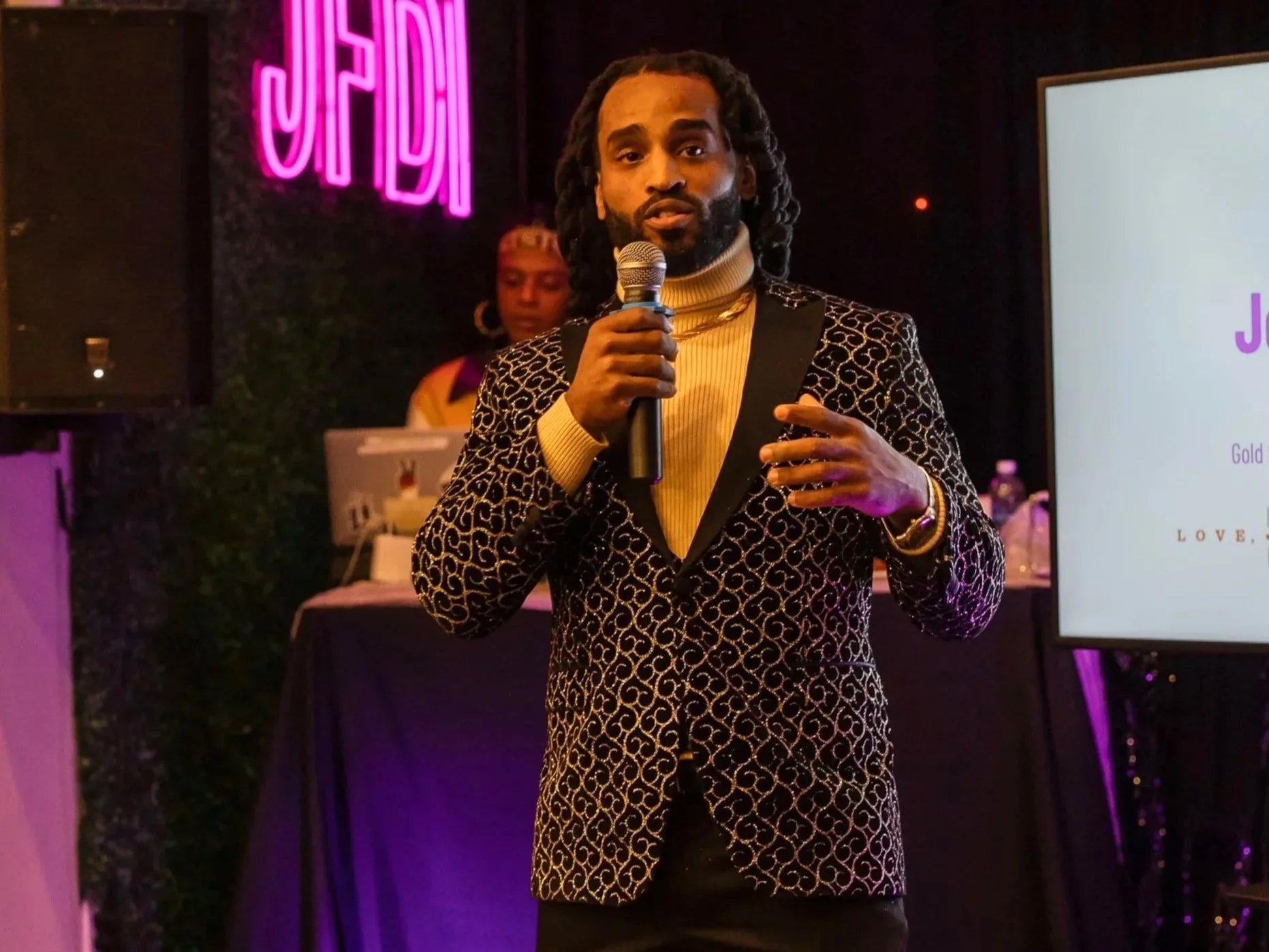
We both knew that gap personally. Jonathan had a late start; he played the guitar and trumpet decently well in high school, and he started seriously writing and producing songs in his mid-20s. He started making some money from engineering and DJing, and realized that many artists, regardless of the field, had poor business practices that were undoubtedly affecting their bottom line. That is an information problem, and it is solvable.
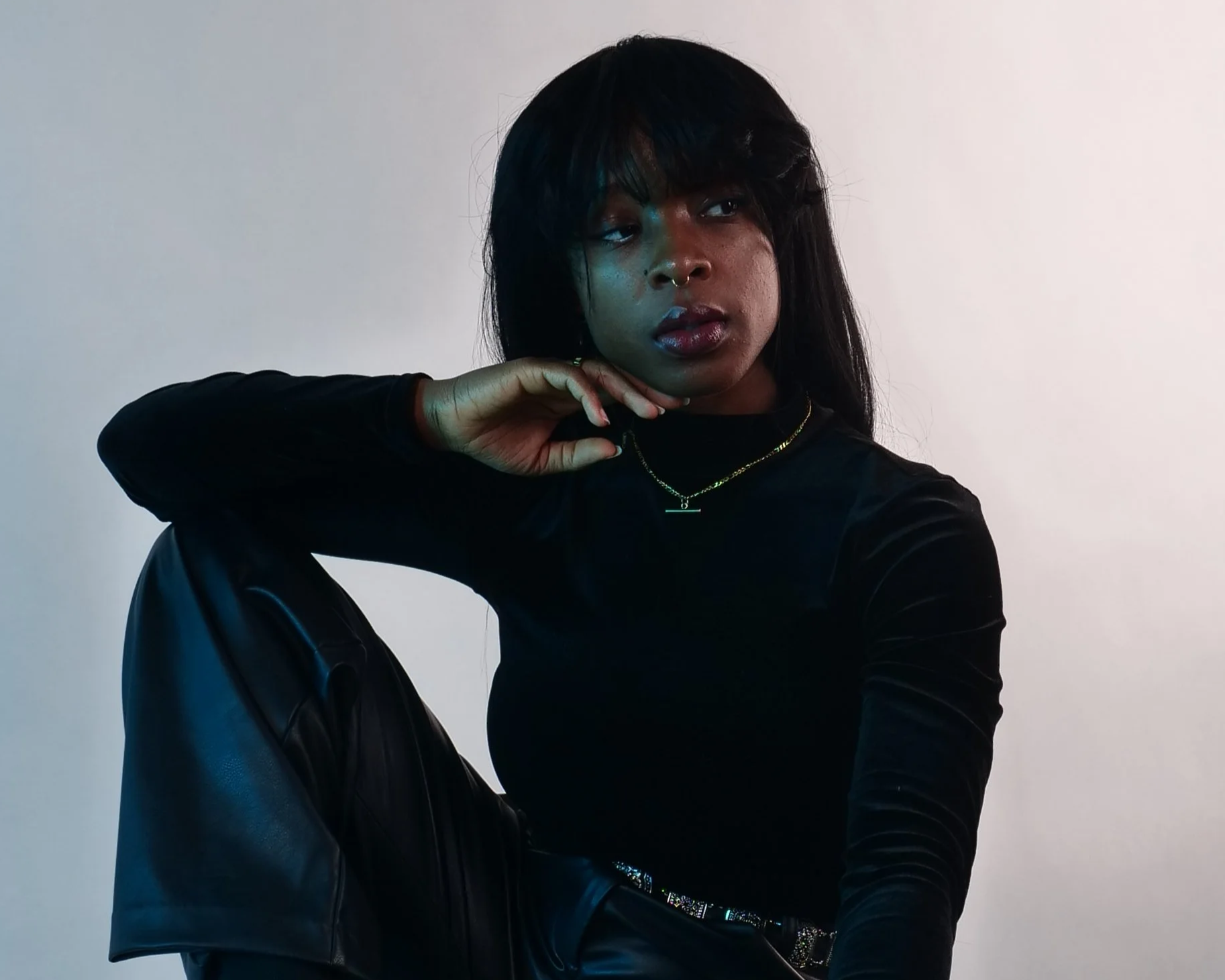
Lanisha arrived at the same place from a different direction. They studied supply chain management in Lehigh University’s College of Business before going on to work at a digital media firm, helping clients build their digital marketing strategies. The work gave them a foundation in business and strategy, but it was not creative enough, and Lanisha already knew they did not want to spend their life working a traditional 9-to-5. By 2020, that feeling had become harder to ignore. The way their workplace responded to the killing of George Floyd reinforced a growing sense that neither the work nor the environment reflected the kind of life, values, or impact they wanted to build around. Lanisha left to pursue a creative career on their own terms, eventually bringing that same desire for independence, creativity, and access into building FamFrequency Productions.
We incorporated FamFrequency Productions as a 501(c)(3) in the fall of 2022 to build the track we wished someone had handed us.
The first summer was going to run on a credit card
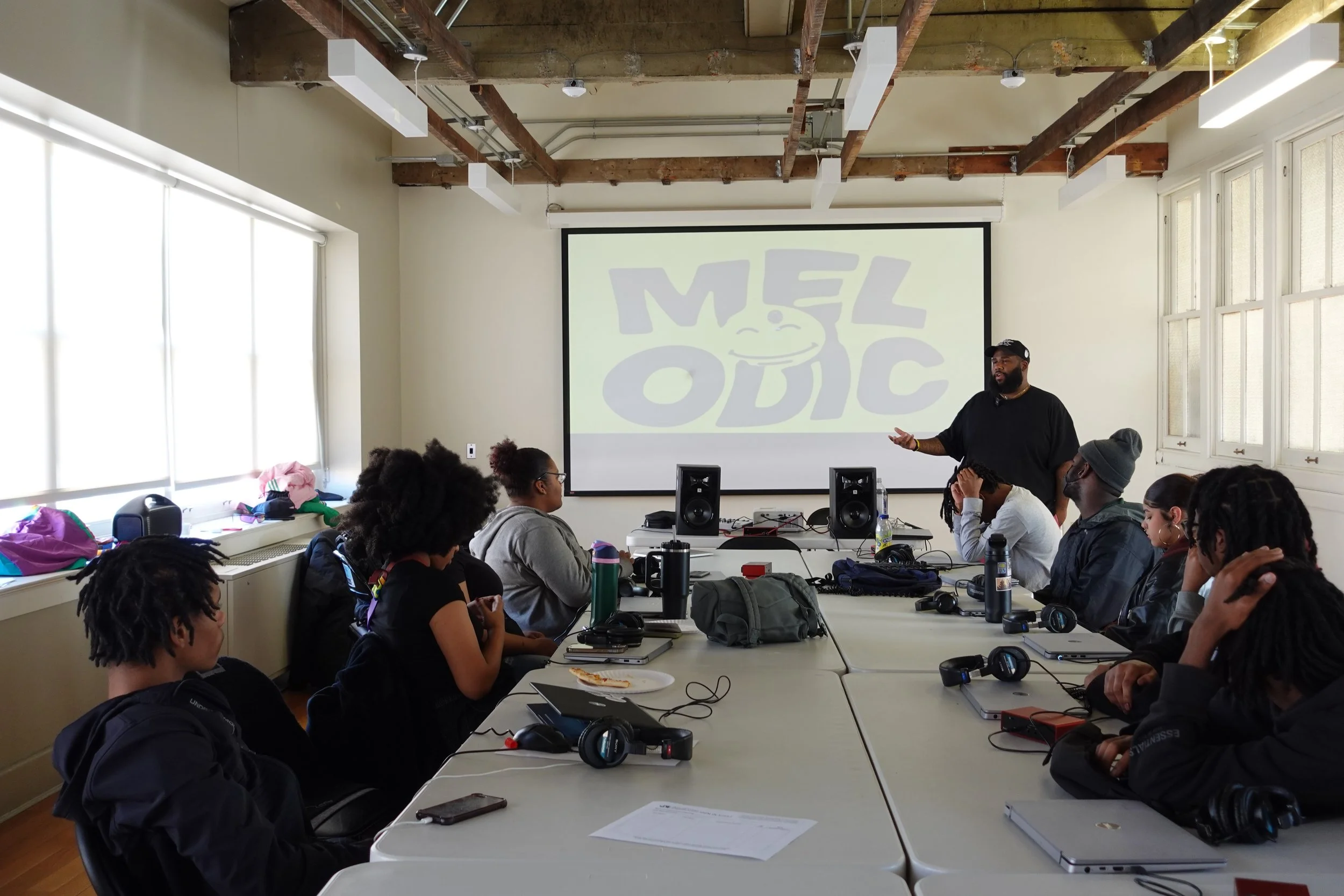
Our first full cohort started in the summer of 2023 and Jonathan’s plan was to buy the equipment on a “no-interest for 18 months” business credit card, and pay it off with his personal funds until they could attract grant money through their proof of concept. The early Fam came through, as Drexel University's Dornsife Center gave us space at no cost. The City of Philadelphia's Illuminate the Arts grant, the Presser Foundation, and the Nelson Foundation put up the first real money. We say that plainly because early belief is worth naming, and because a lot of what we now know we learned that summer.
What the early years taught us
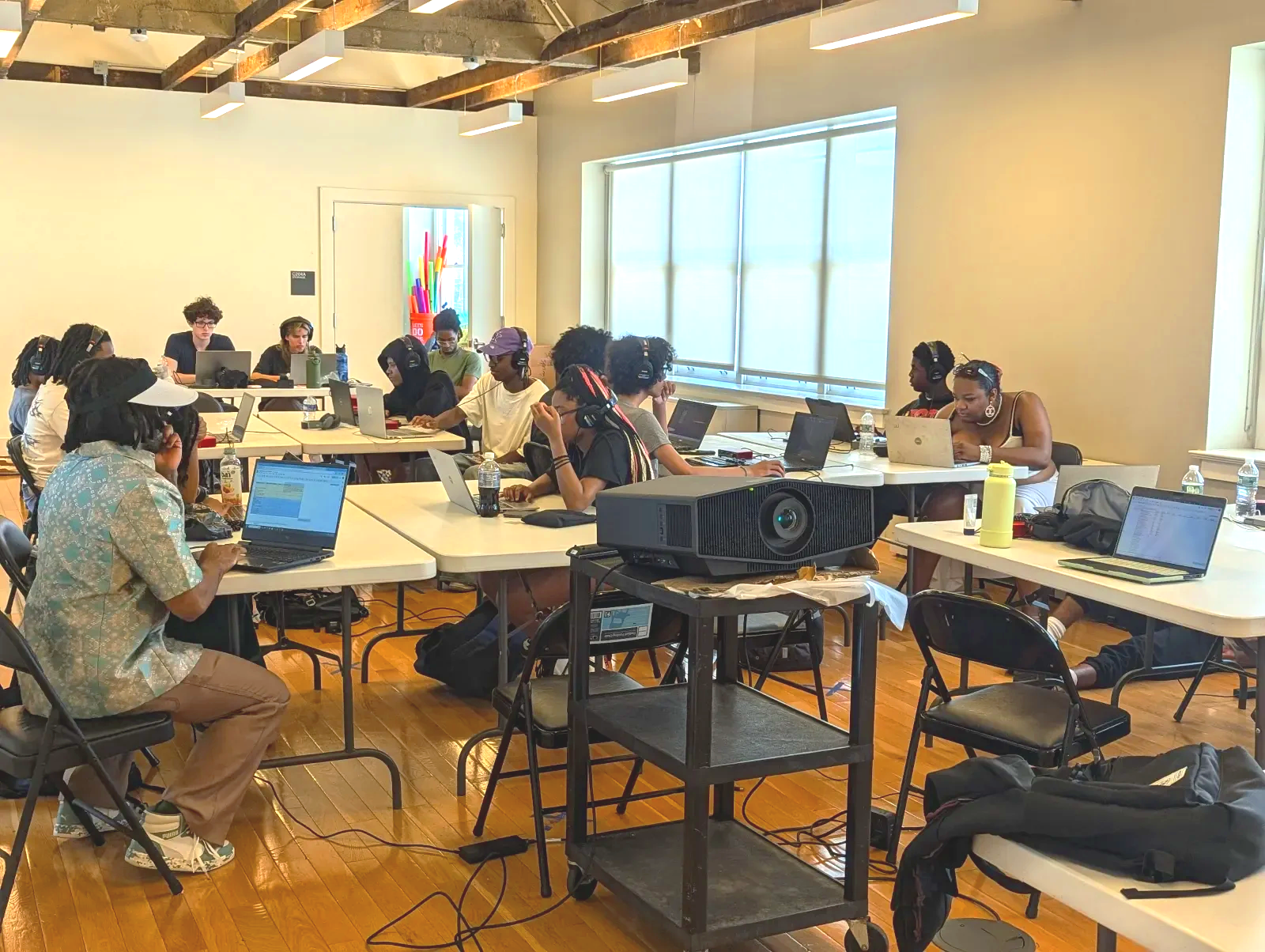
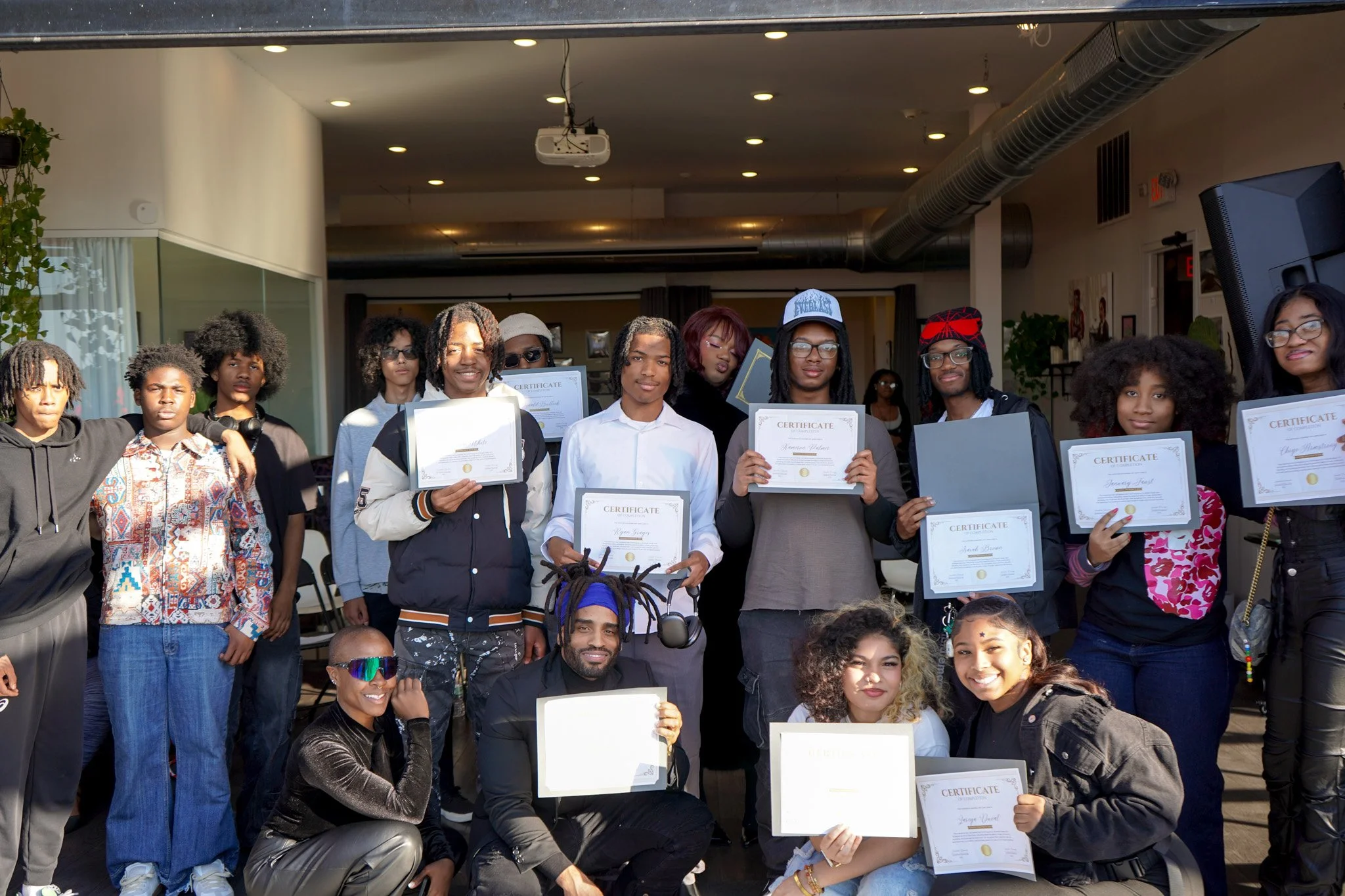
Eleven student-artists started that first cohort. Seven finished.
We learned that we are not for everyone. We took note of who succeeded, who struggled, what supports we were effective at providing, what supports we weren’t able to effectively support. Fifteen months or over 720 hours of programming, Fifteen months is a serious ask of a teenager, and we had not been honest enough about that up front. So we rebuilt recruitment. We tell applicants exactly what the commitment costs before they accept it. We ask what they would be doing if FamFrequency did not exist, and we listen for the underlying reason they want in. We pay attention to how a cohort will fit together, because these young people spend a great deal of time in the same room. And we spread the early curriculum out so no one drowns in the first two weeks.
That first cohort also showed us who thrives here. Cassidy Brown and Don Bullock, student-artists from our pilot cohort, were both part of it. Three years later, in the summer of 2026, they are still working with us.
Attendance taught us the next lesson.
Student-artists commute from every corner of the city and compete with the summer income their families need, so we built stipends into the program and tied them to attendance, timeliness, engagement, and completed work. Last cycle, 87 percent of our student-artists attended more than 90 percent of sessions.
The third lesson arrived by phone.
Alumni kept calling with questions we had not prepared them for. How do I read this contract? What should I charge? Is this opportunity real? Graduation was not the end of the need, it was the point where the stakes rose. So we extended the model with an optional alumni year, bringing the full experience to 27 months, and we are formalizing post-graduation career coaching with twice-monthly sessions and coaches who actively source opportunities for graduates.
The lesson we did not plan for is the one we now build around.
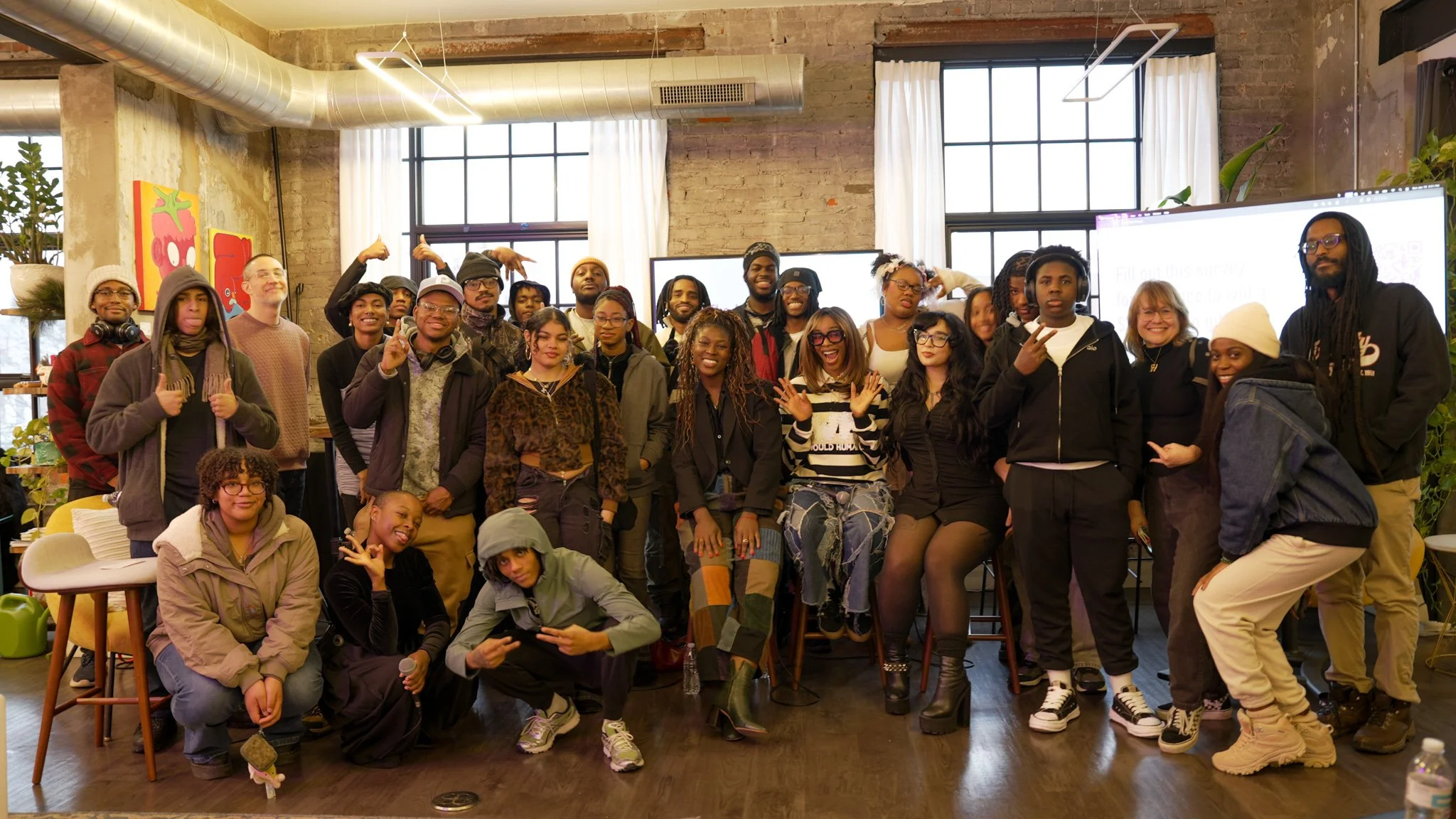
Student-artists arrive from different neighborhoods and different schools, most of them strangers, most of them the only person in their circle who takes this seriously. They leave with each other. They collaborate on tracks months and years after their cohort ends. They show up to each other's sessions and shows. They text each other about opportunities before they text us.
An independent focus group evaluation put language to what we were seeing. Asked what the program gave them, our student-artists did not lead with software or studio skills. They talked about figuring out who they were, and about a room where that work was possible. It is difficult to take yourself seriously as a professional when no one around you does. A room full of peers who treat this as a career, not a phase, changes what a young person believes is available to them, and that belief holds long after the curriculum is finished. We used to think of the cohort as how we delivered the program. We understand now that the cohort is part of what works.
Where we are now
19
Philadelphia high schools engaged across programming
87%
of fellowship student-artists attended more than 90 percent of sessions last cycle
27
months of programming per fellowship cohort with the optional alumni year
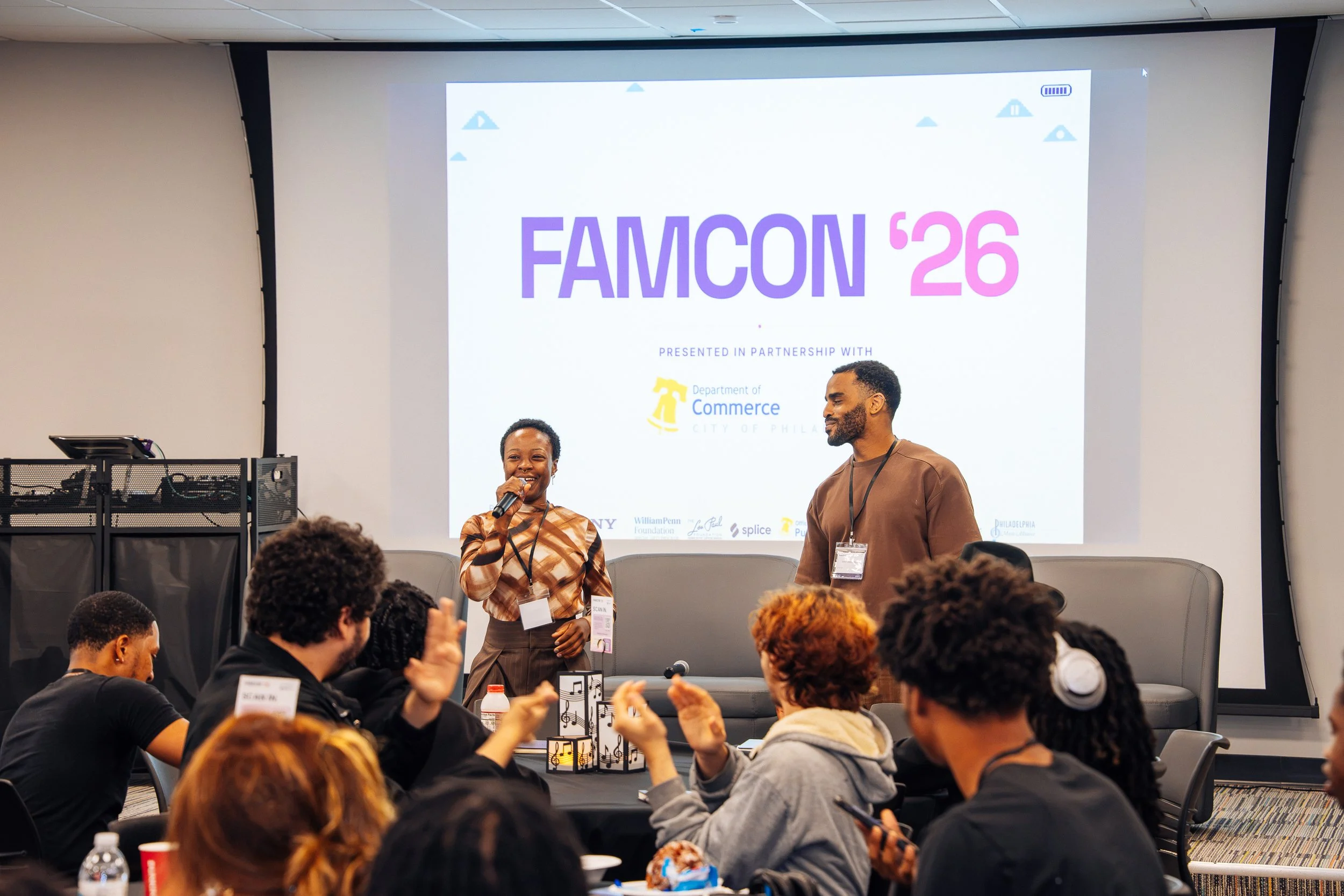
We have enrolled cohort student-artists from 19 Philadelphia high schools. We run an office, classroom and studio out of the Dornsife Center and place student-artists in paid internships at music organizations including Milkboy the Studio,, Sakred Wolves, and The Boom Room. Each year we convene the city's creative community at FamCon, our annual conference on creative entrepreneurship for the Philadelphia’s creative economy. In an industry where 97 percent of the producers and engineers behind Billboard's top songs in 2023 were men and roughly 80 percent were white, we are opening doors for the next generation of music creators.